


When it comes to men’s health, certain issues often remain undiscussed until they become urgent. One such topic is prostate health, which is commonly associated with older men. But here’s the shocking truth: prostate problems can begin to develop as early as your 30s. As awareness grows, it’s crucial to understand how early signs and preventive actions can shape your long-term men’s wellness.
This article takes a deep dive into the often-overlooked world of the prostate gland, uncovering common prostate issues, how to recognize them, and why early detection can make all the difference. Whether you’re in your 30s or looking ahead, the information here is not just helpful – it’s essential.
Understanding Prostate Health in Your 30s
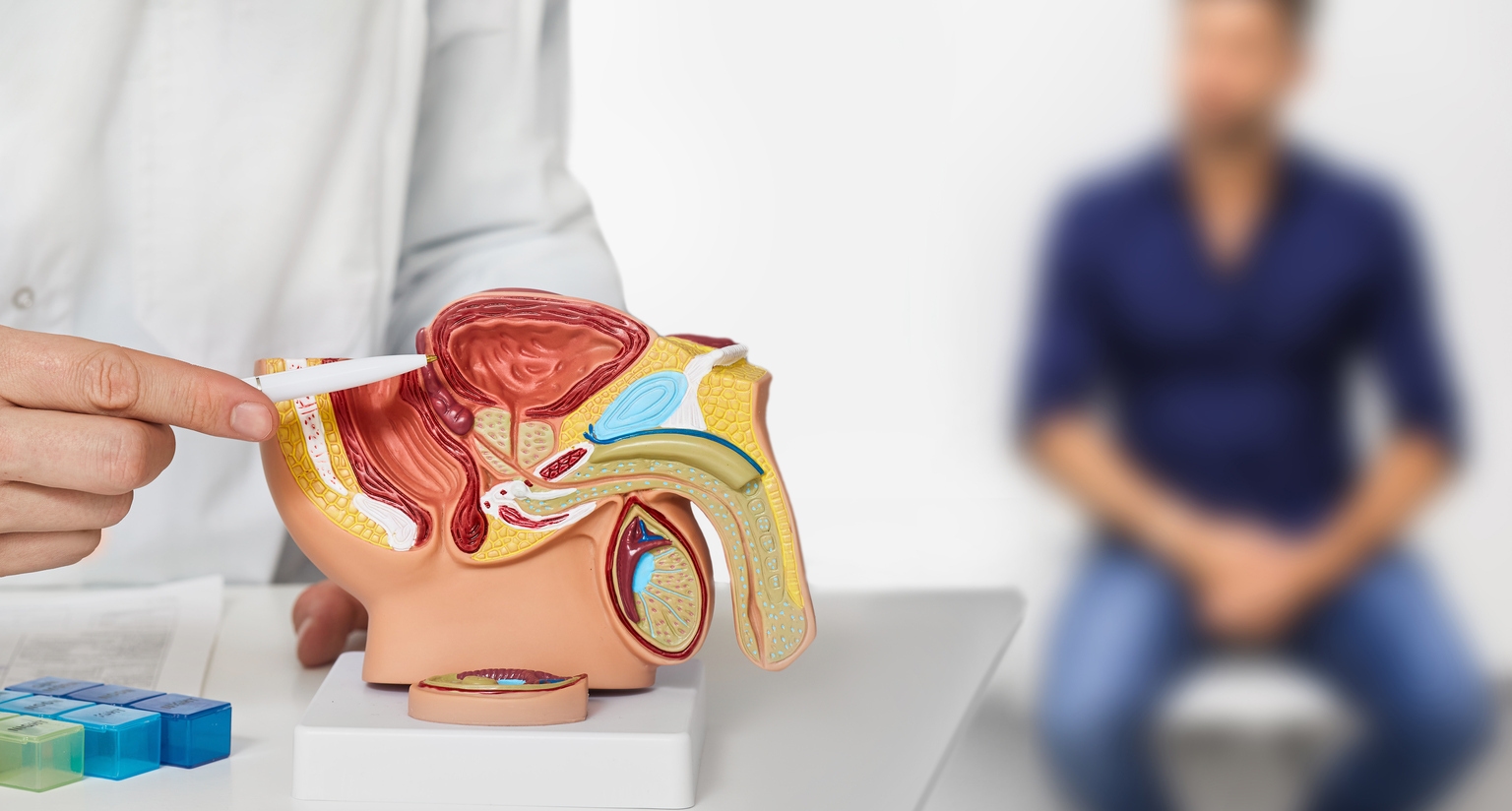
The prostate gland is a small, walnut-sized organ located below the bladder. It plays a vital role in male reproduction by producing seminal fluid. While most men don’t think about this gland until later in life, prostate health can start declining earlier than expected.
By age 30, hormonal changes, lifestyle habits, and even stress levels can begin affecting the prostate. Issues like inflammation or infection may develop silently and only become noticeable as symptoms worsen. That’s why health awareness at a younger age is key.
Shocking Prostate Problems You Didn’t Know Could Start at 30
You might be surprised to learn that several prostate issues can start affecting men even in their early 30s. Let’s look at the most common and concerning ones:
1. Prostatitis (Prostate Inflammation)
Prostatitis is one of the most frequently diagnosed prostate problems in younger men. It’s an inflammation of the prostate, often caused by bacterial infection or chronic tension in the pelvic muscles.
Symptoms include:
- Painful urination – A sharp or burning sensation when urinating can indicate inflammation or infection. This discomfort often worsens over time if left untreated.
- Lower back or pelvic pain – A Persistent ache in the lower back, groin, or pelvic area is a common sign. It may radiate to the thighs or worsen while sitting for long periods.
- Pain during ejaculation – Ejaculation may become uncomfortable or painful due to inflamed prostate tissue . This symptom can directly impact intimacy and sexual confidence.
- Frequent urge to urinate, especially at night – Increased nighttime urination is often an early warning sign. It disrupts sleep and may be accompanied by a feeling of incomplete bladder emptying.
It can be acute or chronic. While acute prostatitis can be treated with antibiotics, chronic forms may require long-term management and lifestyle adjustments.
2. Benign Prostatic Hyperplasia (BPH) – Not Just an Old Man’s Problem
Though traditionally seen in men over 50, Benign Prostatic Hyperplasia (BPH) or enlarged prostate can begin earlier. Some men in their 30s may start to show mild signs.
Early BPH symptoms:
- Weak urine stream
- Difficulty starting urination
- Dribbling after urination
- Increased frequency, especially at night
While not cancerous, BPH can impact potency and overall libido, especially if left unmanaged.
3. Prostate Cancer – Rare but Not Impossible
Prostate cancer is rare in men under 40, but early detection is crucial because aggressive forms can develop unnoticed. Genetic factors, lifestyle, and environmental exposures may all play a role.
Prostate symptoms to watch for:
- Blood in urine or semen
- Erectile dysfunction
- Painful ejaculation
- Unexplained weight loss
If you have a family history, screening in your 30s is worth discussing with a doctor.
Why Men Often Ignore Prostate Symptoms
Many men dismiss early signs due to embarrassment or the assumption that these issues only affect older individuals. However, delayed attention can make mild prostate issues more severe and harder to treat.
Men also tend to ignore changes in potency or libido, assuming stress or fatigue is the cause. While those are valid factors, persistent problems warrant a deeper investigation into men’s health.
The Role of Lifestyle in Men’s Wellness and Prostate Health
The foundation of a healthy prostate often lies in everyday habits. Here’s how your daily routine impacts your long-term prostate health:
- Diet: A diet high in processed foods and red meat is linked to a higher risk of prostate problems. Focus on fruits, vegetables, nuts, and foods rich in omega-3s.
- Exercise: Regular physical activity supports hormone balance and reduces inflammation.
- Hydration: Drinking plenty of water helps maintain urinary tract health.
- Stress Management: Chronic stress can contribute to prostatitis and reduced libido.
Small changes today can lead to massive benefits in your 40s, 50s, and beyond. For more, check out the YouTube channel dedicated to prostate problems and men’s health insights. You’ll find expert guidance, real user stories, and holistic approaches to strengthen your health journey. Watching just a few videos could offer clarity and confidence on your path to wellness.
The Power of Early Detection
Early detection of prostate conditions significantly improves outcomes. Don’t wait until symptoms disrupt your life. Annual checkups, even in your 30s, can provide vital insights.
- Digital Rectal Exam (DRE): A doctor gently checks the prostate through the rectum to feel for any swelling or unusual lumps. It’s quick and helps detect early signs.
- Prostate-Specific Antigen (PSA) Blood Test: This test measures the PSA level in your blood. High levels may suggest prostate problems and need further checks.
- Urine Analysis and Imaging: If you have symptoms like pain or frequent urination, doctors may test your urine or suggest an ultrasound to spot infections or swelling.
Tip: If you have a family history of prostate issues, eat poorly, maintain with good food choices for prostate health, or don’t exercise much, it’s smart to talk to your doctor early. Early checks can help catch problems before they become serious.
Natural Support for Prostate Health
Many men are turning to natural capsules with strong action to support their prostate and hormonal health. One popular choice in the wellness market is regen50.
Regen50 is a natural supplement formulated specifically to promote men’s wellness by targeting symptoms of prostatitis, mild BPH, and performance-related issues. These natural capsules with strong action are crafted from plant-based ingredients like:
- Saw Palmetto – Traditionally used to reduce symptoms of urinary dysfunction and support prostate size. It also helps improve hormonal metabolism by limiting excess DHT levels.
- Lycopene – A powerful antioxidant that protects prostate cells from damage and oxidative stress. Lycopene is also linked to reduced risk of prostate enlargement and cancer.
- Pumpkin Seed Extract – Known for promoting urinary health and reducing inflammation in the bladder and prostate. It also supports healthy hormone function and reduces BPH symptoms.
- Zinc – Essential for prostate function and male fertility; it regulates testosterone levels. Zinc deficiency is closely tied to an enlarged prostate and poor immune response.
- Vitamin E – An antioxidant that combats inflammation and enhances overall cellular health. Vitamin E also supports blood flow, benefiting potency and sexual performance.
These ingredients are clinically known to:
- Improve urinary flow – Facilitates easier and more complete urination to reduce frequency and urgency. Supports better bladder emptying and night-time relief.
- Reduce inflammation – Lowers swelling and discomfort in the prostate area . Helps ease pain during urination or ejaculation.
- Support hormonal balance – Maintains healthy testosterone-to-estrogen ratio for optimal function . Prevents hormone-induced prostate growth and related complications.
- Enhance potency and libido –Boosts energy, stamina, and sexual performance naturally. Revives interest and satisfaction in intimate relationships.
Unlike pharmaceuticals, Regen50 provides a gentler approach, ideal for men looking for preventive care or mild symptom management.
Real Talk: What to Do if You Notice Prostate Symptoms
If you experience any of the following prostate symptoms, take them seriously:
- Pain or discomfort in the pelvic area
- Changes in urination habits
- Erectile difficulties
- Unusual discharge or ejaculation pain
Here’s what to do:
- Track the symptoms: Duration, frequency, and severity. Keep a daily log of what you’re feeling—this can help your doctor understand the condition better and tailor treatment.
- Visit a urologist: Get a professional diagnosis. A specialist can run important tests to determine the root cause of your discomfort and recommend appropriate treatment or lifestyle advice.
- Consider natural support: Supplements like Regen50 can complement medical treatment. These provide additional benefits for inflammation and hormone balance without harsh side effects.
- Make lifestyle changes: Address diet, stress, and physical activity. A balanced lifestyle can enhance recovery, reduce future risks, and boost overall men’s wellness.

Prostate Health Is Men’s Health
It’s time to challenge the stereotype that prostate concerns only begin after 50. Being in your 30s doesn’t make you immune to health challenges. It’s the perfect age to adopt health awareness and create habits that protect your future.
- Discuss men’s wellness openly: Start conversations with friends, family, or your doctor to reduce stigma and promote awareness.
- Encourage regular screenings: Routine check-ups and PSA tests can lead to early detection and easier treatment.
- Use trusted resources: Choose credible sources and effective supplements like Regen50 to support prostate health naturally.
- Break the silence: Talking about symptoms like frequent urination or low libido helps normalize these concerns.
- Empower others: Share your journey or insights to inspire other men to prioritize their health.

Take Charge of Your Health Now
The best time to start caring for your prostate health was yesterday. The next best time is today. Don’t wait for symptoms to dictate your health decisions. Make proactive choices, stay informed, and remember: your 30s are a powerful decade for prevention.
It’s also the time when preventative health habits are most effective. Whether it’s improving your diet, increasing physical activity, or exploring natural support like Regen50, every step counts. Prioritizing your wellness today builds a stronger, healthier foundation for the future.


Recent Comments